Sustainable African Beeswax
Cera Alba (Beeswax)
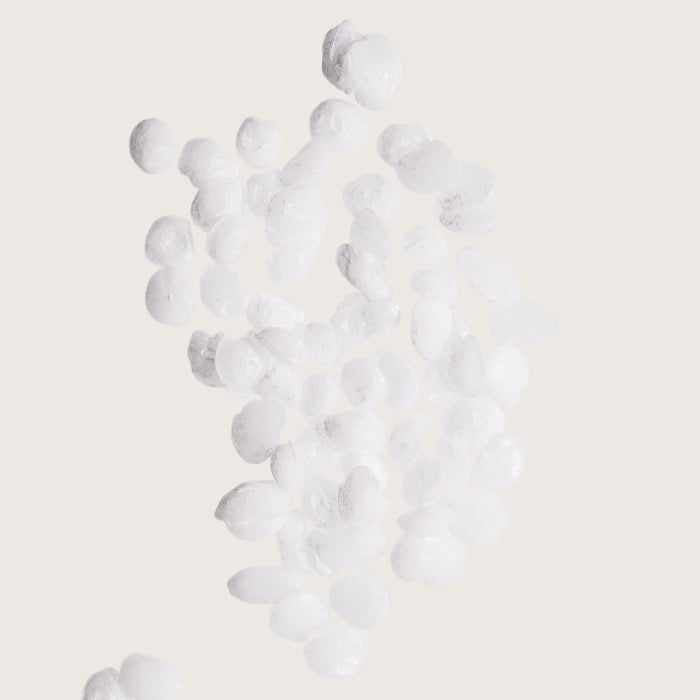
Beeswax is one of history's most remarkable cosmetic ingredients, unlike any other wax in the world. It not only provides thickness and structure to sticks and balms, but it improves texture for smoothness. Beeswax can also thicken emulsions to make beautiful rich butters and creams. Think of it as nature's emulsifier. Our African beeswax is sourced from Western Africa and refined in the USA to ensure sustainable, high quality beeswax that can be traced back to which beekeeper produced it.
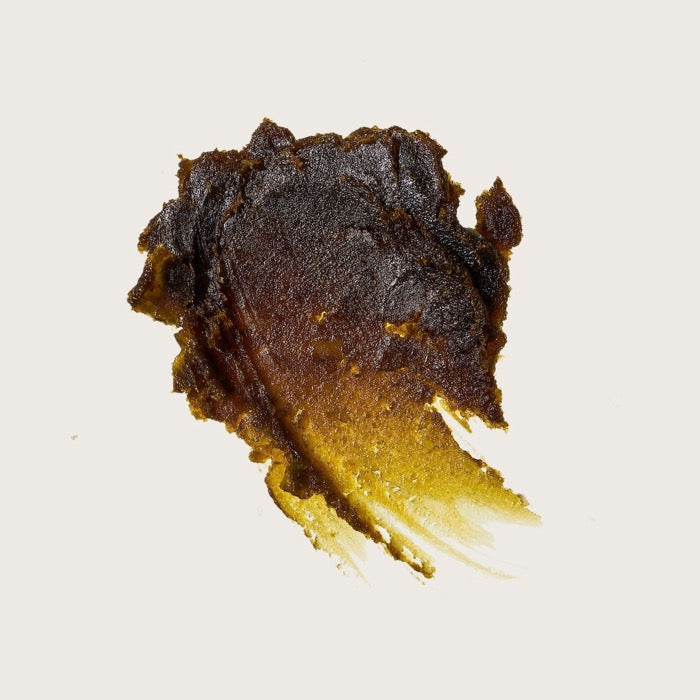
The compounds in beeswax that give it its amazing properties can fluctuate depending on what time of year it is, where it is collected, and what the bees have eaten. These variations in chemical makeup can cause various inconsistencies in cosmetic products. The filtering process removes any color and impurities and allows consistency from batch to batch.
Western Africa is incredibly biodiverse, with grassland, forests, crops and flora providing food for year-round bee activity. Bees secrete beeswax to form honeycombs, where their food (honey) is stored. The honeycombs are collected when the hive begins to fill. Once the honeycomb is removed, the bees begin to build again. If the honeycombs were not collected, the bees would abandon their hive when it becomes full. This collection method allows continual regeneration and happy bees. We choose to source African beeswax because of the rich biodiversity and the lack of plant dormancy year-round. Bees store honey in honeycombs as food for winter, when plants are dormant. If we were to source beeswax from regions with extreme seasons or dormant periods, we would be taking food from the bees. Because there is abundant biodiversity independent of season in Western Africa, bees produce high quality wax year-round.
The quantity of beeswax and the type of oil you choose to pair beeswax with can determine how hard or soft the resulting stick is. For example, beeswax at 5% with castor oil can make a very hard gel, but isopropyl palmitate, a lightweight ester, requires 15% beeswax, and it’s still not as hard. Play around with different percentages of beeswax with different oils and esters to understand how beeswax impacts the your final stick structure. Sometimes you just need to change the oil or combination!
Honeycombs are collected from full hives by local, trained beekeepers in villages. The wax is separated from the honey and the sight collector documents every kilogram of wax purchased from the beekeeper. The sight collector delivers all the wax to the main collection facility in Togo. Once in the US, the crude beeswax is refined by melting and being passed through two filters to remove the color and any impurities from the hive. The liquid wax is then formed into easy-to-use pastilles.


- INCI
-
- Composition
-
Composition Beeswax
100%
(CAS 8012-89-3 )
- People and Planet
-
- Geographical Origin
-
- Ingredient Origin
-
- ISO 16128 Natural Origin Content
-
- Function
-
- Types of Formulas
-
- Use Level
-
Use Level Sticks, Balms
5 - 15%
Light Emulsions
1 - 3%
Medium Emulsions
4 - 6%
Rich Emulsions
7 - 10%
- Lip Safe
-
- Eye Safe
-
- Required pH of formulations
-
- Tips and Tricks
-
- Directions for Emulsification
-
- Incompatibilities
-
- Color / Odor / Appearance
-
- Solubility
-
- Melting Point
-
- Percent Active
-
- VOC Content
-
- Storage
-
- Shelf Life
-
- Warning
-
- Shipping Restrictions
-
- Regulatory Documents
-
- Packaging Type
-
Packaging Type 4 oz
8 oz
16 oz
5 LBStand Up Pouch
Stand Up Pouch
Paper Tube
Poly Bag
Why It's Special
Quality. Transparency. Trust.
-

Collected
-

Separated
-

Refined
-

Pastillation

Simple Lotion Bar
Supplies
Formula
|
INGREDIENT |
FORMULA |
WEIGHT
|
|
|
1 |
Watermelon Seed Oil |
35.0% |
70.0 g |
|
2 |
Sustainable African Beeswax |
30.0% |
60.0 g |
|
3 |
Fair Trade Cocoa Butter |
15.0% |
30.0 g |
|
4 |
Organic Shea Butter |
17.0% |
34.0 g |
|
TOTAL |
100% |
200.0 g |